
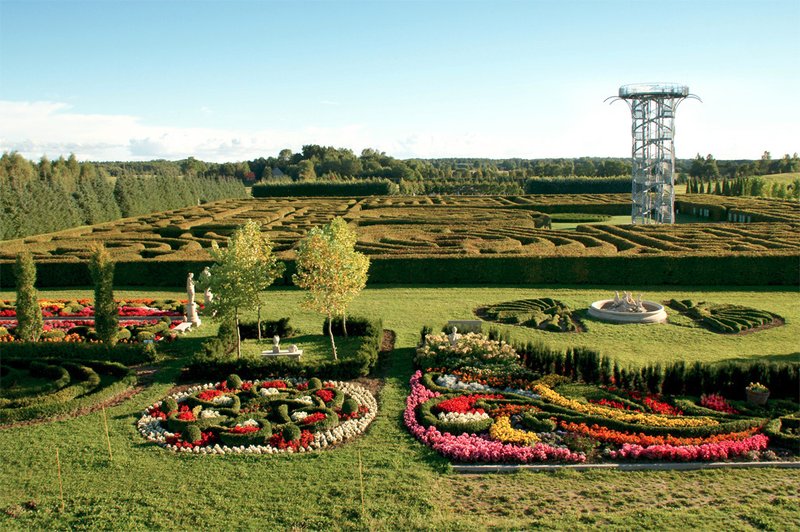
Did you think London’s green spaces were all in the parks?
Think again. Behind the city’s glass towers and busy streets lie pockets of secret gardens that feel like a different world. I spent a Saturday wandering into three of them and found that each one offers a unique slice of nature, and they’re all free to visit.
What makes a garden “hidden” in London?
A hidden garden is usually tucked away behind a block of flats, inside a churchyard, or in a converted warehouse. The access is often via a narrow alley, a stairwell, or a door that looks like it belongs to a storage unit. The key is that you don’t see it on a standard tourist map.
Which gardens should I start with on a weekend?
- St. John’s Wood Garden – a 0.3‑acre plot behind the St. John’s Wood church. It opens at 10 am on Saturdays and hosts a free herb‑and‑flower walk every Sunday. The beds are laid out in a classic Tudor pattern, and a small pond reflects the old oak trees.
- King’s Cross Green – hidden behind a brick wall in the former railway goods yard. A 2‑hour guided walk starts at 11 am on Saturdays. The route takes you past a restored 19th‑century water tower and a community garden that grew over 20 different vegetable varieties.
- Little Venice Secret Garden – tucked between the Grand Union Canal and a row of 18th‑century warehouses. It’s open from 9 am to 4 pm every day, but the best time is early morning when the mist rises from the canal and the garden’s lily pads glow.
How do I find these gardens without getting lost?
Use a simple trick: Google “hidden garden London” and look for the “hidden gem” tags in the results. Then, cross‑check the address on a map app. For example, St. John’s Wood Garden’s address is 10 St. John’s Wood, London NW6, which appears in the map’s “nearby” list. When you arrive, keep an eye out for a discreet door or a path that leads away from the main road.
What should I bring for a comfortable visit?
Comfortable shoes are a must; the paths are uneven in places. A small water bottle helps if you’re staying after the sun peaks. A notebook is handy if you want to sketch the layout or jot down the names of the plants you spot. And, if you’re an amateur photographer, a tripod will help capture the garden’s quiet moments without shaking.
After a day of strolling through these quiet retreats, I found myself craving a different kind of escape. If you’re looking to unwind with a bit of online entertainment, you might enjoy the thrill of a casino that feels as fresh as a hidden garden. Check out Lizaro Online Casino for a playful break from the city’s bustle.
Is there a time limit to visiting these gardens?
Most of them are free and open year‑round, but the guided walks at King’s Cross Green are only on Saturdays from 10 am to noon. St. John’s Wood Garden closes at 5 pm, and the Little Venice Secret Garden shuts down at 4 pm on weekdays. Plan your route accordingly to make the most of each visit.
What’s the best time of year to explore London’s hidden gardens?
Spring (March to May) is ideal because the beds burst with tulips, daffodils, and early roses. Late summer (August) offers a cooler climate and a chance to see mature trees in full leaf. Winter is quieter but still beautiful, especially when the stone paths are dusted with frost.
Can I combine a garden walk with a foodie stop?
Absolutely. After visiting St. John’s Wood Garden, head to the nearby café on St. John’s Wood Road for a latte and a slice of apple cake. At King’s Cross, the new pop‑up market on Platform 9 offers fresh pastries and artisanal coffee. Little Venice has a riverside tea room where you can sip a cup of Earl Grey while watching the canal traffic.
Final thoughts on a weekend escape in London’s hidden gardens
These gardens prove that London’s green spaces go far beyond the well‑known parks. Each one offers a distinct atmosphere: historic, industrial, or tranquil. By following the simple steps above, you’ll discover a slice of nature that feels personal and untouched. Pack your shoes, bring a notebook, and let the city’s hidden corners surprise you.